|
Park Avenue Pedestrian Safety Plan
Using input and suggestions gathered at community workshops, and in collaboration with Architecture for Humanity New York (AFHNY), we developed a set of recommendations to improve pedestrian safety on Park Avenue in the Wallabout area of Fort Greene and Clinton Hill, between Navy and Steuben Streets. These proposals were developed with guidance from an advisory committee, made up of representatives from local block associations, tenants associations, residential developments, community-based organizations, city agencies and other stakeholders. The overarching goals of the interventions proposed here are to improve pedestrian safety and calm vehicular traffic, creating a safer neighborhood corridor for residents and visitors. View the full Park Avenue Pedestrian Safety Plan, and add your name to the online petition supporting these improvements.
Myrtle Tree Guards & Benches
We are serious about protecting Myrtle Avenue's street trees. Street trees not only bring an aesthetic appeal to the commercial strip, but also play an important role in filtering the air and providing shady respite from the afternoon sun. Myrtle's tree guards are both functional and durable, provide opportunities to sit for the avenue's pedestrians, and also serve as our latest public art project, offering a 'canvas' that reflects Fort Greene and Clinton Hill’s creative spirit. These are not your everyday, run-of-the-mill tree guards. The tree guards were created with the Pratt Design Incubator to have a modular design that allows for customization – the four panels that make up the sides of the guards are unique to each piece and were designed by local artists. Read more about the full project history and timeline, see early prototype drawings, photos of new guards and benches installed in December 2012, and photos of the 40 guards and benches installed in 2011. Helps us to maintain our new street furniture and our street trees by adopting a bench or tree guard.
Preservation of the Wallabout Neighborhood
The Wallabout neighborhood now has in place a number of tools to help with its ongoing preservation. MARP released the Wallabout Homeowner's Preservation Manual in fall 2012 (hard copies are free for Wallabout residents, $10 for non-residents), to help homeowners with restorations, maintenance, and navigation of various regulations and tax incentives. The last two years have also seen the creation of three historic districts. Vanderbilt Avenue, between Myrtle and Park, has now been designated a NYC historic district by the City's Landmarks Preservation Commission (Full Report, 4.6 MB). A larger part of residential Wallabout, from approximately Clermont to Washington Avenues, is now listed on the NY State and National Registers of Historic Places (Full Report, 19.2 MB). And finally, a section of industrial Wallabout north of Park Avenue is also now listed on the NY State and National Registers (Full Report, 3 MB). The initial Wallabout Cultural Resource Survey (2.1 MB, in PDF format) of the mixed-use area north of Myrtle Avenue and south of the Brooklyn Navy Yard, commissioned by MARP in 2005 and researched by noted architectural historian Andrew Dolkart, got this expanded preservation effort underway by proposing the creation of various landmark districts to protect the area's unique historic resources.
Myrtle Public Plaza
Myrtle Avenue was selected by DOT in the first round of the NYC Plaza Program with our plan to build a public pedestrian plaza between Grand Avenue and Emerson Place on two blocks of the existing service road. AECOM was selected by the City to be the landscape design team for the project, and we are currently nearing the end of the design phase, with construction expected to begin in mid- to late-2013. In order to initially gather community ideas for the plaza, AECOM and DOT held two community design charrettes, and prior to that, we issued a Call for Ideas to gather and exhibit as many of your ideas as possible. The pedestrian plaza is the result of a multi-year community planning process that began in the fall of 2005, where improving the avenue's public spaces became a major emphasis of our work as individuals expressed their desire to have great public spaces to sit, eat, relax, people-watch, and to otherwise create a better sense of place.
Myrtle Eats Fresh
Myrtle Eats Fresh aims to engage community members in improving access to healthy, affordable food in Fort Greene and Clinton Hill by creating, expanding and attracting markets for fresh, affordable food; helping residents grow their own food; increasing community food education opportunities; cultivating leaders of all ages; and documenting the food-related needs and desires of our community. Projects include a community-run farm stand, a community chef program, creating and expanding community gardens on public housing grounds, the FRESH Teens program, and the facilitation of the Fort Greene-Clinton Hill Community Food Council, which recently released a 2012 update to the community food assessment entitled "Get Fresh: Food Access, Food Justice and Collective Action in Fort Greene & Clinton Hill, Brooklyn."
Myrtle Avenue Public Art
The Myrtle Avenue Brooklyn Partnership's public art initiative, which brings temporary outdoor sculpture to key sites up and down the avenue, was launched in summer 2008. We work in collaboration with the NYC Parks Department, the New York City Housing Authority, and the NYC Department of Transportation, to find sites for the sculptures on open space, parks, or sidewalks that are owned or regulated by these agencies. The Tree Hugger Project kicked-off the initiative, with new temporary installations following it each year, including Myrtle Bird Town, and Tomorrow, installed in fall 2012. Responses to our Request for Proposals for additional temporary public art, for up to 12 different sites along Myrtle Avenue, are accepted on a rolling basis.
Re-Imagine the Space Under the BQE
The Storefront for Art and Architecture brought Spacebuster, a mobile inflatable art installation, to Wallabout in April 2009 to help us kick off a community planning process for the future of the area under the BQE. Spacebuster, created by the Berlin-based architecture collective raumlaborberlin, is designed to temporarily occupy open urban spaces such as squares, parking lots, and green spaces with a primary function to serve as a location for community events. Check out photos and and ideas from the workshop. We continue to work with interested stakeholders, artists, and local organizations to temporarily program spaces under the BQE, and plans for gradual improvements are underway. Contact us online to submit your ideas for short- and long-term physical improvements, temporary or permanent programming ideas, or anything you think could enhance the space.
Myrtle Windows Gallery
For one month at a time, three times a year, ten storefronts on Myrtle Avenue between Clinton and Hall convert part of their storefronts into the Myrtle Windows Gallery, an open-air art gallery that ‘breaks down the walls’ of the traditional private art gallery to bring two-dimensional art to the public arena via the storefront window, where it is accessible to anyone simply walking down the street. The initiative helps bring together local artists, local businesses, and the broader community in a dialogue about art in public spaces.
Home Grown & Locally Owned
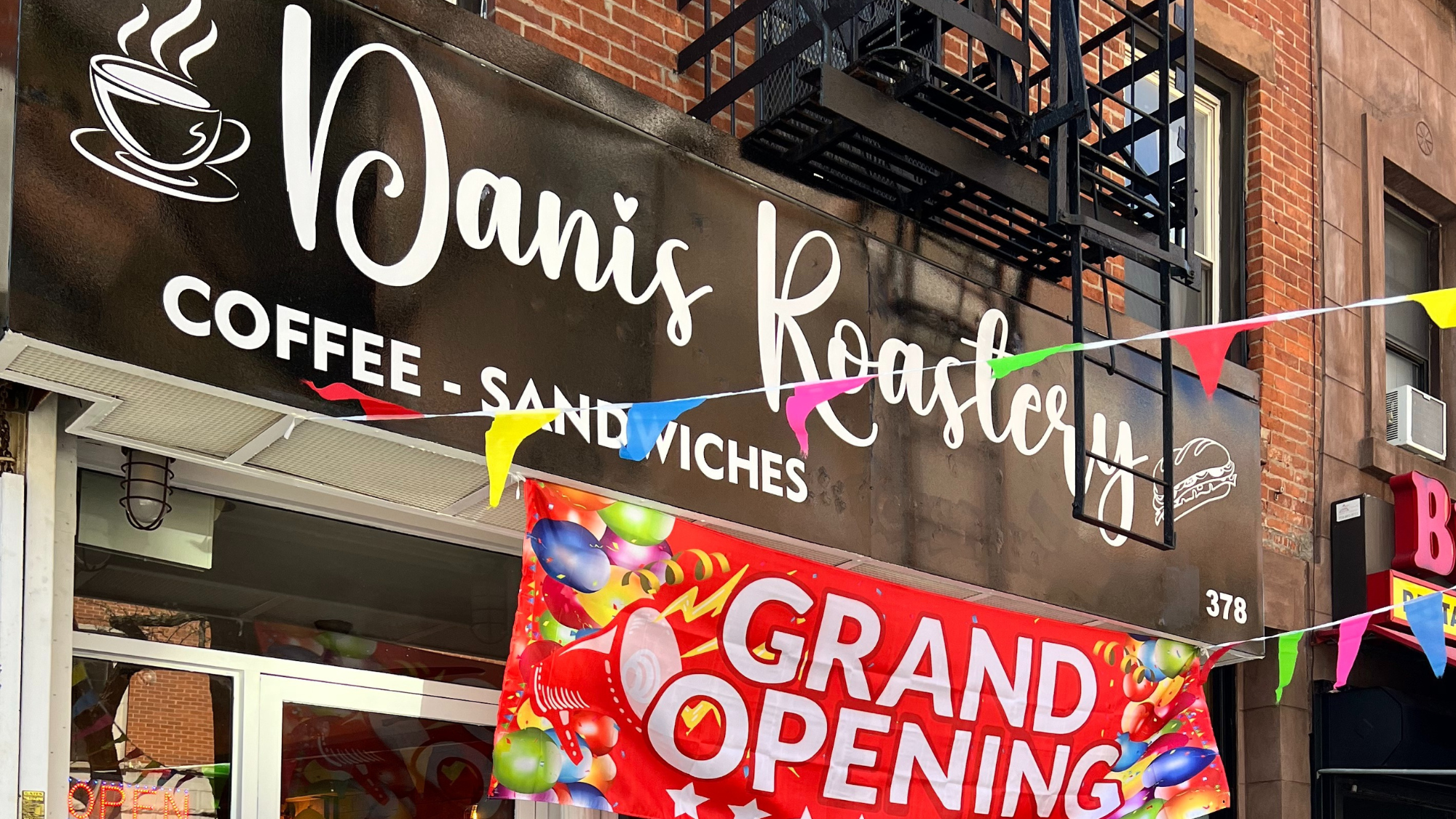
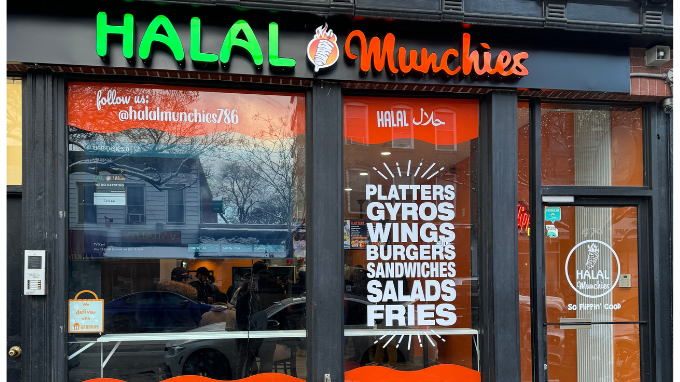
If there's one thing Myrtle Avenue has an abundance of, it's independent, locally owned businesses. Our new marketing campaign, Home Grown & Locally Owned, features postcards and ads of 18 local businesses in this first phase of the campaign. From your family-owned hardware store to your mom and pop cafe to your friendly neighborhood mechanic, Myrtle's merchants are your neighbors in business, and the entire community benefits when our commercial districts thrive. If you haven't visited the avenue lately, it's time to pay your neighbors a visit.
|